 Comparison
Is Structural Steel Better for Industrial Buildings?
Last Updated: October 28, 2026
Quick Summary
Structural steel is not automatically better for every industrial building, but it is the stronger choice when clear spans, heavy equipment loads, future expansion and fast on-site assembly matter most. Concrete or other systems can win when mass, fire performance or a tight budget on a simple building drives the decision.
- Steel frames can cover long clear spans with lighter members, creating more usable floor area.
- Steel connections can be modified or extended later, which suits plants planning added bays or mezzanines.
- Concrete is the better fit when mass, thermal inertia or fire rating without added protection is a priority.
- Steel generally needs fire protection when unprotected members cannot meet the required fire resistance.
- Start with a clear list of loads, spans, schedule and expansion plans, then compare systems with your structural engineer.
Table of Contents
- Why Structural Steel Is Used in Industrial Buildings
- Structural Steel vs Concrete for Industrial Buildings
- Strength, Span and Design Flexibility
- The Structural Steel Erection Process
- Structural Steel Fire Protection Requirements
- Structural Steel Corrosion Protection Options
- Choosing Structural Steel for Your Next Industrial Project
- Frequently Asked Questions
Structural steel is the default framing material for most industrial buildings in the United States, and for good reason. Moynihan's 2014 analysis, published through PubMed Central, reports that more than one-quarter of the steel produced each year goes into building construction. That scale reflects a material that performs well under load, arrives predictable, and fits many plant and warehouse designs. At Patriot Iron Work, we provide steel erection and fabrication work across Silver Spring, Montgomery County and the DMV.
Here is the short answer: structural steel is not automatically better for every industrial building, but it is the stronger choice when clear spans, heavy equipment loads, future expansion and fast on-site assembly matter most. Other systems can win on cost or fire resistance for specific projects, so the decision depends on the building's job.
Why Structural Steel Is Used in Industrial Buildings
Structural steel earns its place in industrial work because it combines strength with predictability. Engineers can calculate its behavior precisely, and fabricators can produce members to tight tolerances in a shop before they reach the site. That reduces surprises during erection.
Market data points the same direction. A market forecast for U.S. structural steel projects growth through 2034 at a 6.90% compound annual growth rate (Market Data Forecast U.S. Structural Steel Market Size 2034). Demand growth alone does not prove a material is best, but it does show that owners and contractors keep choosing it.
Industry statistics also point to schedule benefits for metal building systems. One 2026 industry-statistics article reports that metal buildings can be built 30 to 50 percent faster than traditional construction (BOSS Buildings Steel Buildings Industry Statistics 2026). That claim comes from a vendor summary, so verify it against your own project schedule before relying on it.
Structural Steel vs Concrete for Industrial Buildings
Concrete is a serious competitor. Poured-in-place or precast concrete offers mass, good fire performance and low maintenance. For some tilt-up warehouses and buildings with heavy floor loads, it is the right answer.
Structural steel tends to pull ahead in three areas: span length, erection speed and adaptability. Steel frames can cover long clear spans with lighter members, which gives operations more usable floor area. Steel also allows bolted or welded connections that can be modified or extended later, which matters for plants that expect to add bays or mezzanines.
Concrete wins when mass matters, when thermal inertia is a design goal, or when fire rating without added protection is a priority. A structural engineer should compare both systems against the actual loads, schedule and budget. Neither material is a universal winner.
Strength, Span and Design Flexibility
The core advantage of steel is its strength relative to its weight. Lighter frames reduce foundation demand and simplify transport and lifting on site. That often translates into longer spans with fewer interior columns, which keeps production lines and material-handling equipment unobstructed.
Design flexibility is the second advantage. Steel frames accommodate crane runways, rooftop equipment, platform additions and changing occupancy better than most alternatives. When a plant owner asks for a second crane in five years, a steel frame usually makes that conversation simpler.
Keep in mind that steel is not free of limits. Connections, deflection criteria and vibration from heavy machinery all need engineering attention. Steel is strong, but it must be detailed correctly.
The Structural Steel Erection Process
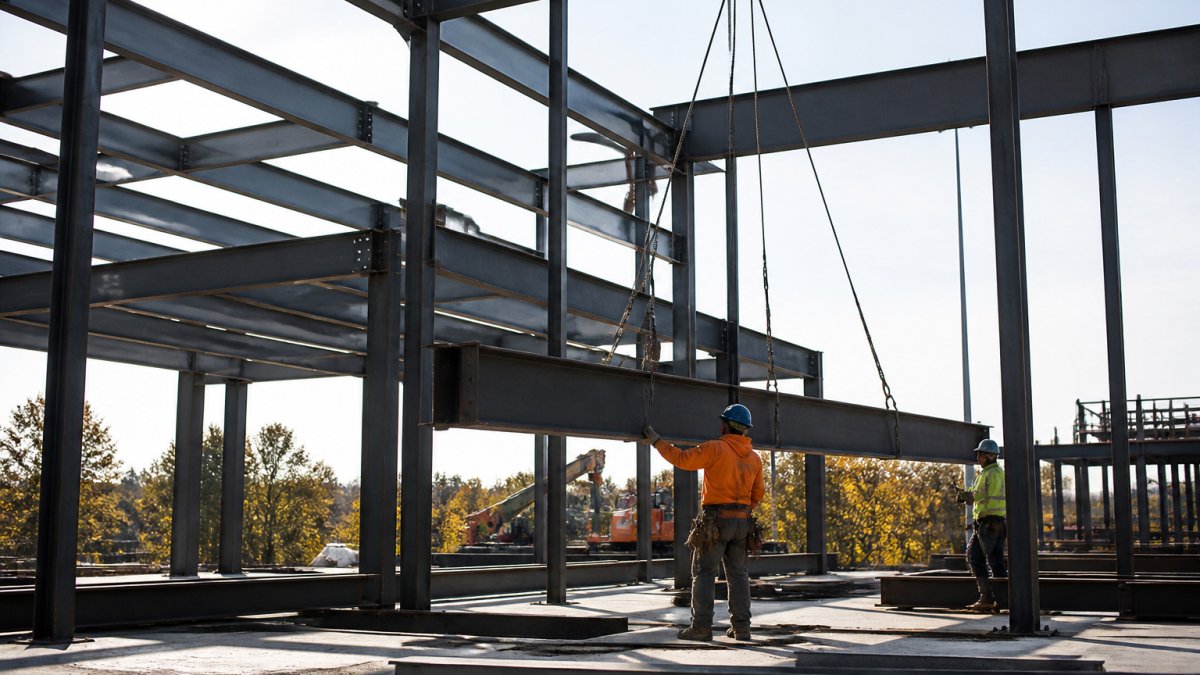
Erection is where a good design either comes together or stalls. Most projects follow a sequence: foundation anchor bolts are set and verified, columns are plumbed and temporarily braced, beams and joists are connected, and then bracing, decking and final connections are completed. Each stage has inspection points that protect the schedule later.
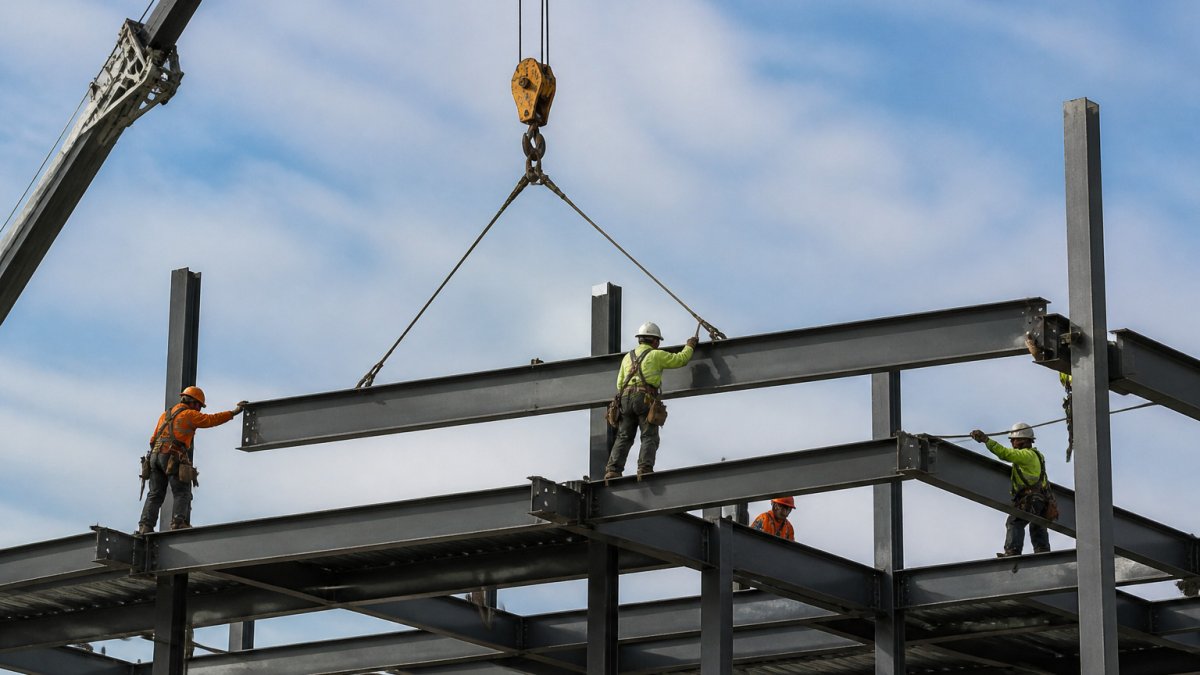
Work at height demands planning. Fall protection, crane coordination and a clear lift plan all have to be in place before the first member leaves the truck. Field welding often accompanies bolted connections. Our guide on how to verify structural steel weld quality explains the inspection methods and acceptance criteria that apply.
Structural Steel Fire Protection Requirements
Steel loses strength at high temperatures, so fire protection is not optional in most industrial buildings. SteelConstruction.info notes that structural steelwork generally needs protection when an unprotected member cannot meet the required fire resistance (SteelConstruction.info Structural Fire Resistance and Steel Fire Protection). Common approaches include intumescent coatings, sprayed fire-resistive materials and board systems, chosen according to the required rating and the building's use.
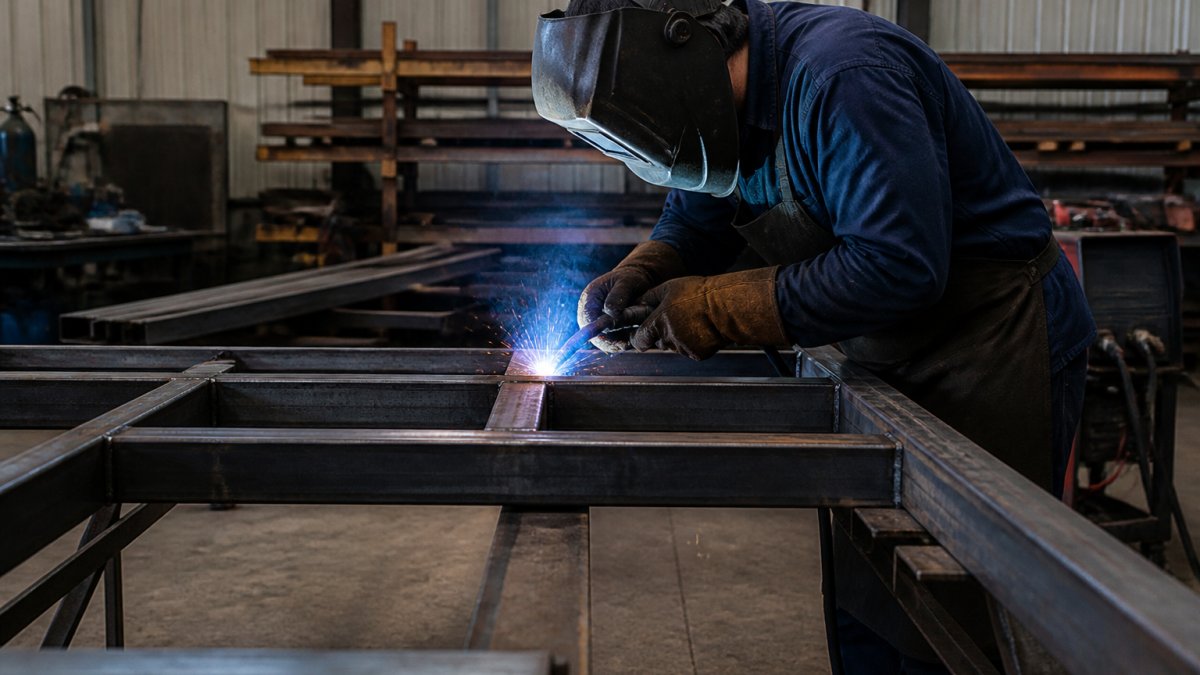
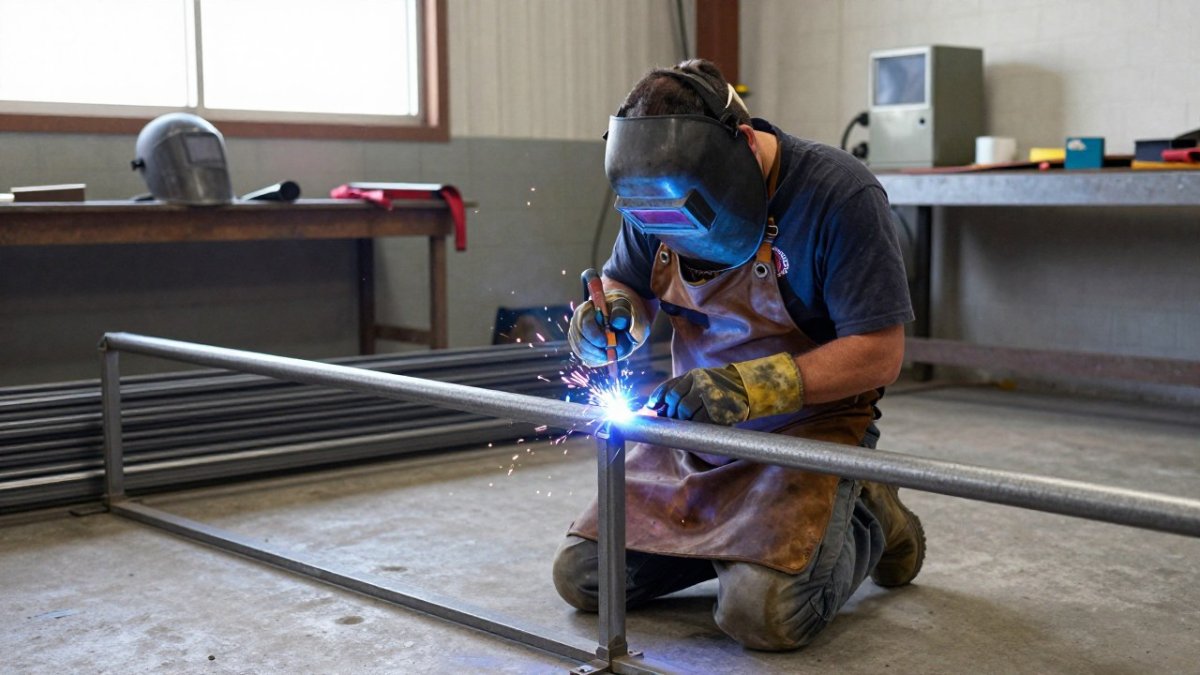
Fire protection also intersects with construction activity. Welding and cutting during erection create ignition risks and fume exposure, so site controls matter.
Confirm fire-rating requirements with the building official and the design engineer early.
Fire protection requirements vary by building use and rating, so the common approaches are worth comparing early in the design.
| Protection approach | Typical use | Key note |
|---|---|---|
| Intumescent coatings | Exposed steel members | Applied to meet the required fire rating |
| Sprayed fire-resistive materials | Concealed or heavy-duty members | Chosen by rating and building use |
| Board systems | Columns and beams needing enclosure | Chosen by rating and building use |
| Unprotected steel | Only where it meets the required rating | Confirm with the building official and engineer |
Structural Steel Corrosion Protection Options
Protection specified in the shop must survive transport, lifting and field welding. Damaged coatings at connections are a frequent source of early corrosion, so touch-up procedures should be part of the erection plan. Ask your fabricator how coatings will be repaired after erection and welding.
Choosing Structural Steel for Your Next Industrial Project
Structural steel is the better choice when your project needs long spans, heavy or changing equipment loads, future expansion and fast on-site assembly. Concrete or other systems may be better when mass, inherent fire performance or a tight budget on a simple building drives the decision.
Start with a clear list of loads, spans, schedule constraints and expansion plans, then compare systems with your structural engineer. Patriot Iron Work offers custom fabrication, welding, steel repairs and light structural steel erection, and we are happy to review your drawings and give you a free quote.
Frequently Asked Questions
Why is structural steel used in industrial buildings?
Structural steel is used in industrial buildings because it carries heavy loads over long spans with relatively slim members, which leaves wide open floor areas for equipment and material handling. It is produced to consistent grades, so engineers can predict its performance accurately. Fabricated sections arrive ready to install, which shortens the schedule compared with forming and pouring concrete on site. Its recyclability also supports sustainability goals that many owners now track.
Is structural steel stronger than concrete?
Structural steel has a much higher strength-to-weight ratio than concrete, so it can span greater distances with lighter members. Concrete performs very well in compression, which makes it useful for foundations, slabs and columns, but it is weak in tension without reinforcement. Most industrial projects combine both materials, using concrete for foundations and floors and structural steel for the framing. The right choice depends on the loads, spans and schedule of the specific building.
How does structural steel perform in a fire?
Steel loses strength as temperatures rise, so unprotected structural members can fail during a fire. Building codes require fire-resistance ratings for steel members based on occupancy and building type. Common protection methods include spray-applied fireproofing, intumescent coatings and board or wrap systems. Designers specify the rating and protection method during the design phase so the frame meets code without surprises at inspection.
What factors should be considered when choosing steel for an industrial building?
Final pricing depends on quantity, dates and delivery, so request a current quote from Patriot Iron Work for your project.