 Comparison
Welding Fab Shops Near Me: How to Find Quality Local Services
Table of Contents
- What to Look for in a Local Welding Fab Shop
- Mobile Welding Near Me: When You Need On-Site Work
- Metal Fabrication Near Me: Service Scope and Capabilities
- Custom Metal Fabrication: From Quote to Final Inspection
- Understanding Welding and Fabrication Cost
- Questions to Ask Before Hiring a Welding Contractor
- Evaluating Local Shops: Credentials, Reviews, and Reliability
- Frequently Asked Questions
Last Updated: October 10, 2026
What to Look for in a Local Welding Fab Shop
Finding the right welding fab shops near me comes down to concrete factors you can verify before signing anything, the difference between reliable structural steel work and managing rework and delays.
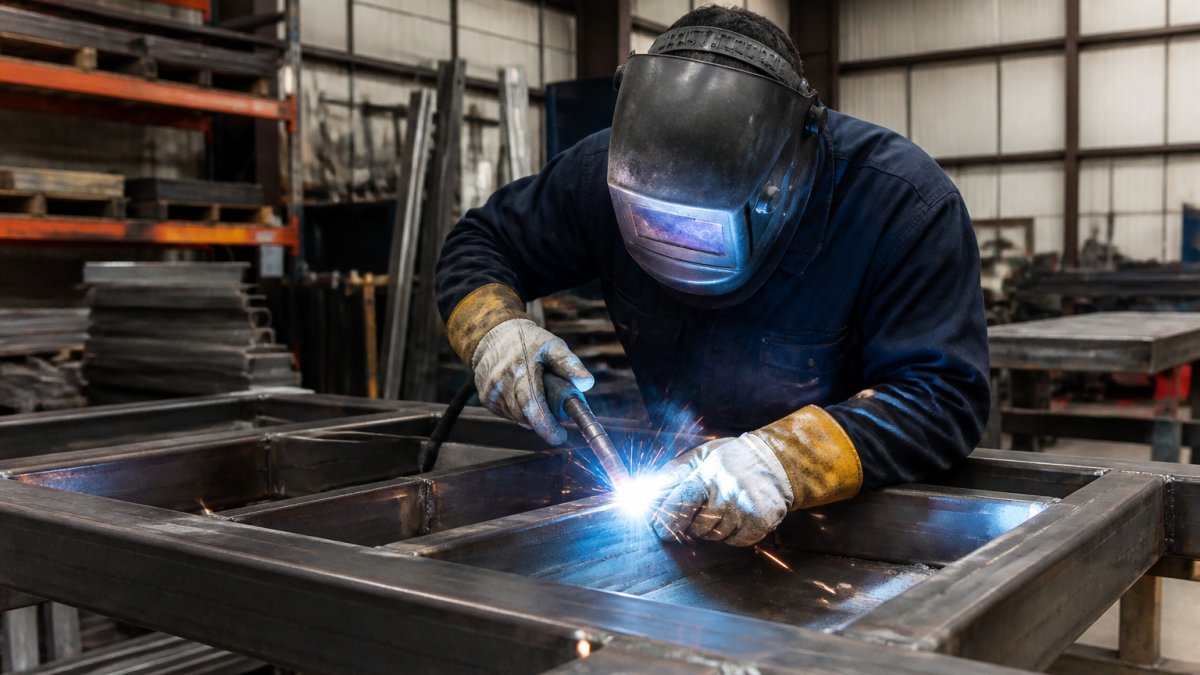
The shops that stand out share three attributes: documented certifications, proper insurance, and on-schedule completion, the baseline, not nice-to-haves.
Certifications and Credentials That Matter
Your shop's welders need credentials proving they can handle your materials and joint types.
Certified Welding Inspectors (CWI) on staff matter: they understand welding procedure specifications and verify work meets code without a third party. Many shops claim inspection capability but few employ certified inspectors.
Don't accept vague answers about "experienced welders." Experience without documentation is just a story. Request copies of current certifications. Legitimate shops keep these on file and can produce them within hours.
Insurance and Liability Coverage
This is where smaller operations cut corners and your project gets exposed.
Ask for a Certificate of Insurance before work begins, listing your company as an additional insured. A shop that hesitates to provide it is signaling a problem.
Workers' compensation insurance is also non-negotiable. If a welder is injured on your site, you don't want that claim coming back to you. Verify the policy is current and covers your project's work.
Mobile Welding Near Me: When You Need On-Site Work
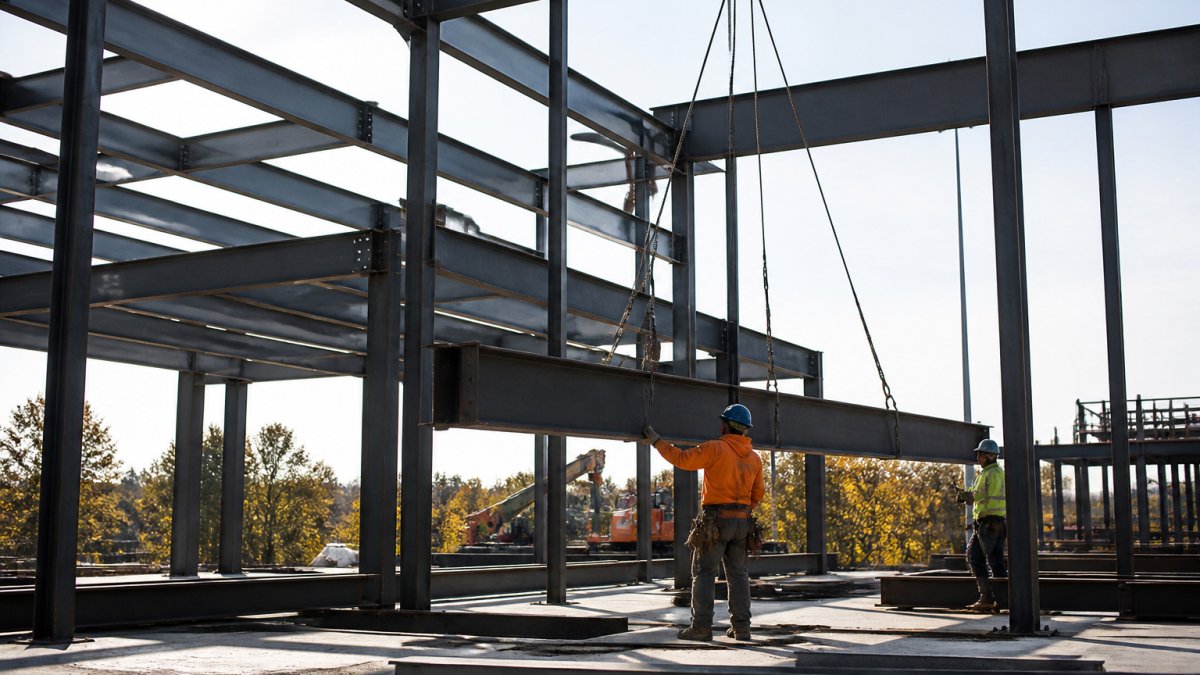
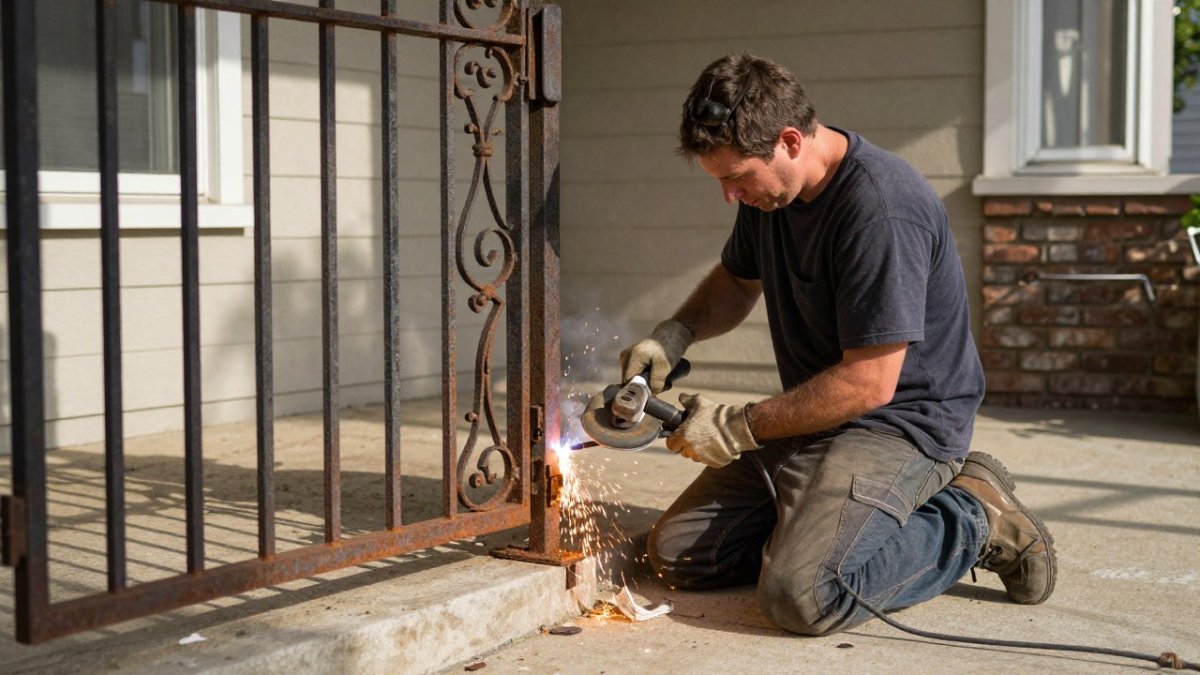
Not every project fits neatly into a shop. Sometimes you need mobile welding near me because structural repairs, machinery assembly, or field fabrication happens where the work is. Choosing between shop-based and mobile capability changes your timeline, cost, and quality control.
Field Welding vs. Shop-Based Operations
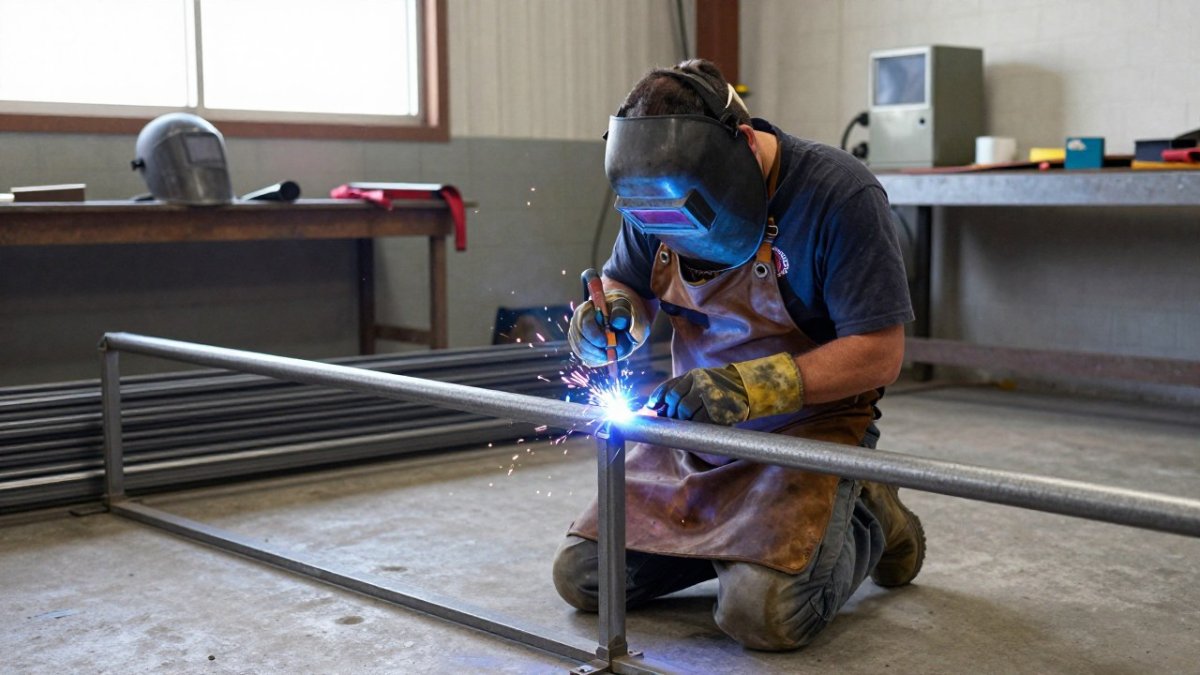
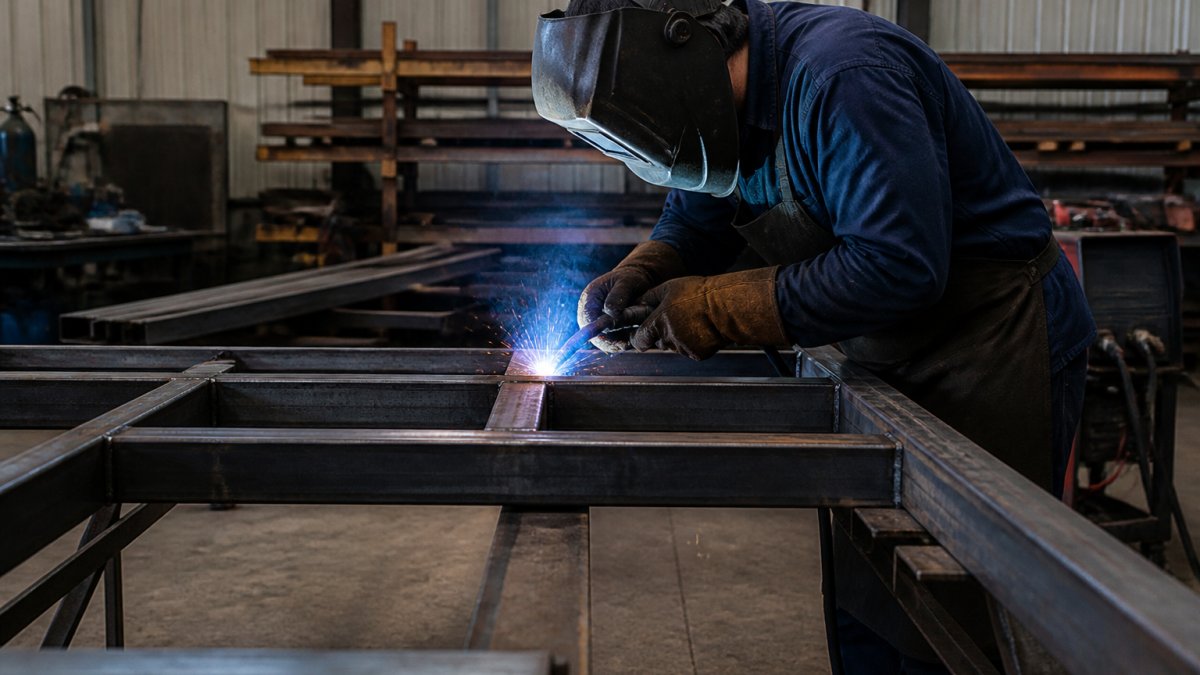
Shop-based welding gives you controlled conditions: climate control, proper lighting, testing equipment, and zero environmental variables, so welds are inspected in ideal circumstances. But you pay for material handling, transport, and assembly.
Field welding comes to your site: machinery doesn't move and structural repairs happen in place.
The best shops handle both seamlessly, understanding that field welding requires different procedures, equipment setup, and inspection protocols.
Emergency Response and Scheduling Flexibility
Equipment failure doesn't follow your schedule. Sometimes you need mobile welding near me on short notice, a broken structural support, a machinery repair costing production time, a fabrication that can't wait.
Shops with true emergency response keep staff available for after-hours calls and mobile units equipped and ready, mobilizing within hours, not days. It costs more but saves far more in downtime.
Metal Fabrication Near Me: Service Scope and Capabilities
Your metal fabrication near me project might require structural steel, aluminum, or specialty materials, and not every shop handles all three equally well. The difference comes down to equipment, procedures, and experience.
Structural Steel, Aluminum, and Specialty Materials
Structural steel is the bread and butter for most shops, forgiving, well-understood, with clear code requirements. Aluminum demands different techniques: it conducts heat differently, requires different filler metals, and can crack without precise heat input management (Welding Digest).
Specialty materials, stainless steel, exotic alloys, titanium, require even more specificity and have narrow windows for successful welding.
Ask prospects what percentage of their work falls into each material category. If you need aluminum and they're 90% structural steel, that's a yellow flag. Their procedures are optimized for steel, not for your material.
Custom Metalwork for Gates, Railings, and Structural Projects
Custom metalwork ranges from decorative ironwork to load-bearing structural components, requiring different skill sets. A shop excellent at ornamental gates might lack the documentation rigor structural railings demand; a heavy structural shop might not care about finish quality.
When evaluating custom metal fabrication near me, look at their portfolio, do they show work similar to yours, at consistent quality?
Custom Metal Fabrication: From Quote to Final Inspection
The path from your drawings to a finished component reveals how a shop operates. A well-run custom metal fabrication process has clear checkpoints, documented procedures, and quality verification at each stage.
Working from Your Drawings and Specifications
Your drawings are the contract; everything flows from them. A shop that asks clarifying questions before quoting is doing the right thing. One that quotes without understanding your specs is setting you up for surprises.
Ask prospects: "Who will be my main contact?" and "What's your process for clarifying drawings before you start?" The answer tells you whether you'll manage multiple people or work with one person who owns your project.
Quality Control and Testing Standards
Custom metal fabrication quality lives in the details. Visual inspection catches obvious defects, but structural integrity requires testing, ultrasonic, radiography, and bend tests verify welds meet code.
Documentation matters too. After final inspection, you should receive a report showing test results, inspection photos, and certification that work meets applicable codes, proof your fabrication is sound.
Understanding Welding and Fabrication Cost
Cost varies dramatically between shops, and the difference isn't always quality, sometimes it's overhead, efficiency, or market positioning. Understanding what drives pricing helps you evaluate quotes fairly.
What Drives Pricing Differences Between Shops
A shop in a high-cost market charges more than one in a lower-cost area. A shop with specialized equipment for your material charges more than a generalist.
These aren't reasons to pick the cheapest option, they're reasons to understand what you're paying for.
Material costs are relatively consistent across shops; labor is where variation appears.
Overhead factors in too: a shop with expensive testing equipment builds that cost into pricing, while one that outsources testing avoids the capital investment but adds lead time.
Getting an Accurate Quote and Timeline Estimate
A real quote requires understanding your project scope completely. A shop that prices without detailed drawings, material specifications, and delivery timeline is guessing, and when details emerge, that guess becomes a change order.
Request written quotes breaking down material, labor, testing, and other costs separately. This lets you compare apples to apples, one shop's quote might be higher because they include testing; another lower because they don't.
Timeline estimates matter as much as price.
Questions to Ask Before Hiring a Welding Contractor
The questions you ask separate prepared shops from unprepared ones, and reveal how a shop thinks about your project.
Checking References and Reviewing Past Work
Request references from projects similar to yours, comparable scope, timeline, and complexity. Call them and ask: "Did they finish on time? Did quality meet your expectations? Would you hire them again?"
Ask to see photos of completed work. Good shops document it, with portfolios showing before-and-after, weld close-ups, and finished installations.
Visit a job site if possible. Seeing work in progress tells you more than photos. You'll see how organized the crew is, how they manage materials, and how seriously they take safety.
Confirming Lead Times and Rework Guarantees
Ask directly: "What's your typical lead time for a project like mine?" Then: "What happens if you need to rework something?" A shop confident in its work stands behind it and explains its rework process and timeline clearly.
Some shops guarantee rework within a specified timeframe at no cost; others charge. Neither is inherently wrong, but you need to know upfront. A shop that avoids the question is avoiding accountability.
Evaluating Local Shops: Credentials, Reviews, and Reliability
Your final decision comes down to which shop you trust most. Trust is built on verifiable credentials, genuine customer feedback, and clear communication about what they'll deliver.
How to Assess Customer Reviews and Workmanship Quality
Online reviews are a starting point, not the whole story. A shop with five-star reviews everywhere might be curating them; a shop with mixed reviews might be doing complex work where some customers are harder to please.
Read reviews carefully.
Workmanship quality shows in details. Look at photos of finished work: are welds uniform, the finish clean, components fitting precisely? A shop that takes pride in its work shows it.
Single Point of Contact vs. Managing Multiple Contractors
Some projects require multiple trades. Hiring a fabrication shop for structural work and a separate contractor for installation means managing two relationships and coordinating between them, added complexity and risk.
A shop that handles fabrication and installation as a single contract simplifies your life: one point of contact, one schedule, one warranty.
Ask prospects: "Can you handle the full scope, or will I need to coordinate with other contractors?" Their answer tells you whether you're getting a complete solution or just one piece.
Finding the right welding fab shop near me means moving beyond price and proximity. You're looking for a partner who understands your project requirements, has the credentials and equipment to execute properly, and communicates clearly throughout. Patriot Iron Work brings professional craftsmanship, high safety standards, and a focus on efficiency to every project. We handle structural steel, custom metalwork, field welding, and everything in between, with the documentation and quality control structural work demands. Get a Free Quote and let's discuss how we can deliver reliable welding solutions for your next project.
| Evaluation Criteria | What to Verify | Why It Matters |
|---|---|---|
| Certifications | AWS D1.1 or D1.2 current credentials | Proves welders can handle your material and joint types |
| Insurance | General liability + workers' comp; you listed as additional insured | Protects your company if something goes wrong |
| Testing Capability | In-house ultrasonic, radiography, or bend testing | Ensures structural integrity without delays |
| Field Experience | Portfolio of on-site work in similar conditions | Proves they can manage environmental variables |
| Timeline Clarity | Written estimate with start and completion dates | Prevents surprises and cost overruns |
| Quality Documentation | Reports showing inspection results and code compliance | Provides proof your fabrication meets requirements |
Frequently Asked Questions
How do I find a reliable welding fab shop near me?
Start by searching for local welding and fabrication services, then verify credentials like AWS (American Welding Society) certifications, liability insurance, and relevant experience with your project type. Check customer reviews and ask for references from recent projects similar to yours. Request quotes from at least two or three shops to compare service scope, lead times, and approach. Patriot Iron Work emphasizes certifications and free quotes as a starting point.
What's the difference between shop welding and mobile welding near me?
Shop welding happens in a controlled facility where the work is brought to the fabricator, allowing better precision and quality control. Mobile welding near me means the welder travels to your site for on-site repairs, field assembly, or emergency work. Mobile services are essential for structural steel erection, machinery repair at industrial plants, and emergency field welding where moving equipment is impractical or impossible. Choose mobile welding when your work must happen at your facility with tight environmental or safety constraints.
What certifications should a welding contractor have?
Look for AWS (American Welding Society) certifications, Certified Welding Inspectors (CWI) on staff, and Welding Procedure Specifications (WPS) developed in-house for your material type. For structural steel projects, verify the shop meets AISC (American Institute of Steel Construction) standards. Confirm they carry current liability insurance and any required bonding for government or public infrastructure work.
How much does custom metal fabrication cost?
Custom metal fabrication pricing depends on material type (steel vs. aluminum), project complexity, volume, lead time, and whether on-site work is required. Larger or rush projects typically cost more. Contact local shops for a quote based on your specific drawings, material requirements, and timeline. Most reputable shops offer free quotes to help you understand costs before committing.
Can a welding shop work from my drawings or measurements?
Yes, most professional welding and fabrication shops accept customer drawings, CAD files, or detailed measurements as the basis for custom work. Provide clear specifications including material type, dimensions, load requirements, finish, and any relevant standards (structural, safety, or industry-specific). The shop will develop Welding Procedure Specifications and may suggest design refinements for manufacturability. Confirm the shop has experience with your specific material and project type before signing a contract.