 How-to
Find Reliable Metal Fabricators for Small Projects
Last Updated: October 23, 2026
Quick Summary
Reliable metal fabricators for small projects are found by asking about their experience with similar work, verifying welding certifications, requesting detailed quotes in writing, and checking references from past small-project jobs. Look for shops with clear timelines, transparent pricing, and proven quality control processes.
- Ask fabricators specific questions about their experience, on-site capabilities, quality control process, lead times, and how they handle changes before hiring
- Verify that welders hold AWS certifications and request examples of past work to assess weld quality and consistency
- Request detailed quotes with separate line items for materials, labor, equipment, finishing, and delivery to compare fairly
- Get everything in writing including scope of work, materials specifications, timeline, payment terms, and what services are included
- Watch for red flags like vague timelines, unwillingness to provide references, evasive answers about certifications, or demands for full upfront payment
Table of Contents
- Why Finding a Reliable Metal Fabricator Matters for Small Projects
- Key Questions to Ask a Metal Fabricator Before Hiring
- How to Evaluate a Welding Contractor's Qualifications
- Metal Fabrication Quote Checklist: What to Request and Compare
- Small Metal Fabrication Project Examples and Scope Assessment
- Red Flags and How to Protect Your Small Fabrication Project
- Next Steps: Getting Your Project Started
- Frequently Asked Questions
Why Finding a Reliable Metal Fabricator Matters for Small Projects
Small projects demand precision and trust. A custom railing for your storefront, a steel gate repair, or structural welding work on your facility can't be left to chance. When something fails, it affects safety, timeline, and your bottom line.
The challenge isn't finding metal fabricators. It's finding reliable metal fabricators who will actually take on smaller jobs and deliver quality work on schedule. Many shops focus only on large industrial contracts. They turn away one-off projects or quote prices that make no sense for the scope.
The difference between a good experience and a bad one comes down to asking the right questions upfront and knowing what to look for before you hire.
This guide covers exactly how to identify reliable metal fabricators for small projects. We'll walk you through the questions to ask, the qualifications to verify, and the red flags to catch before you sign anything.
Key Questions to Ask a Metal Fabricator Before Hiring
Before you commit to any fabricator, you need answers to specific questions. These aren't just polite conversation starters. They reveal how the shop operates and whether they're a fit for your project.
Ask about their experience with projects like yours. Don't just ask if they've done similar work. Ask for specific examples. What materials did they use? How long did it take? Did they stay on schedule?
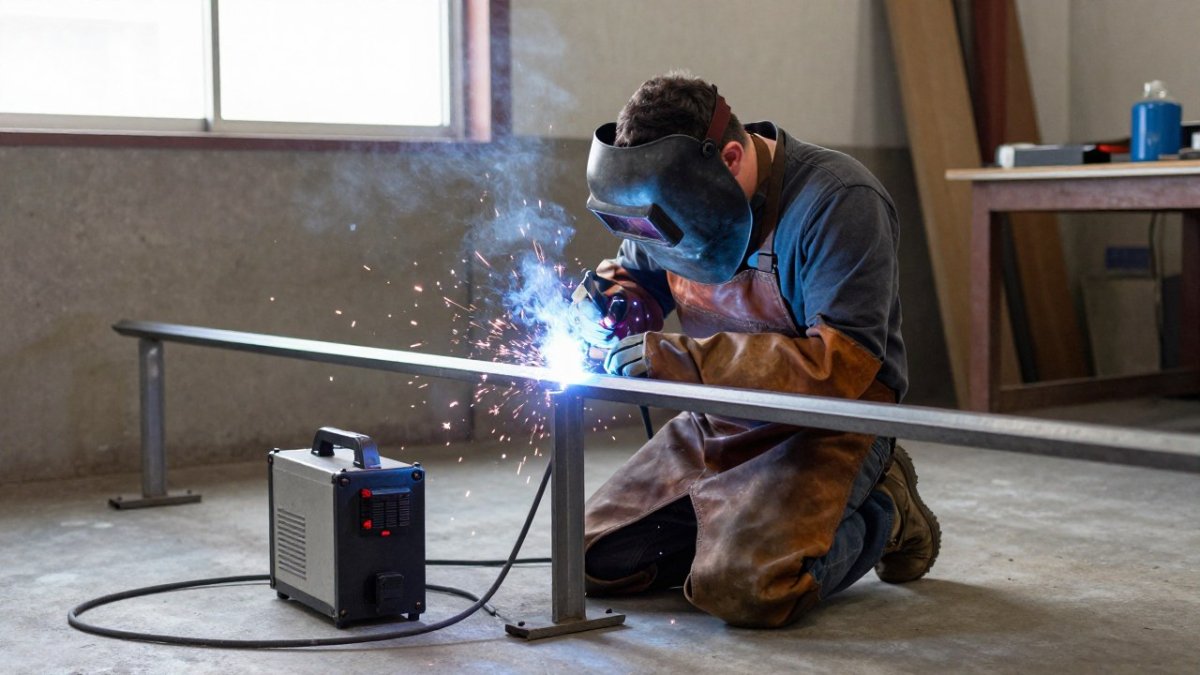
Ask whether they handle on-site work or shop-only operations. Some fabricators work exclusively in their shop. Others bring mobile welding equipment to your location. If you need field work, on-site capability matters.
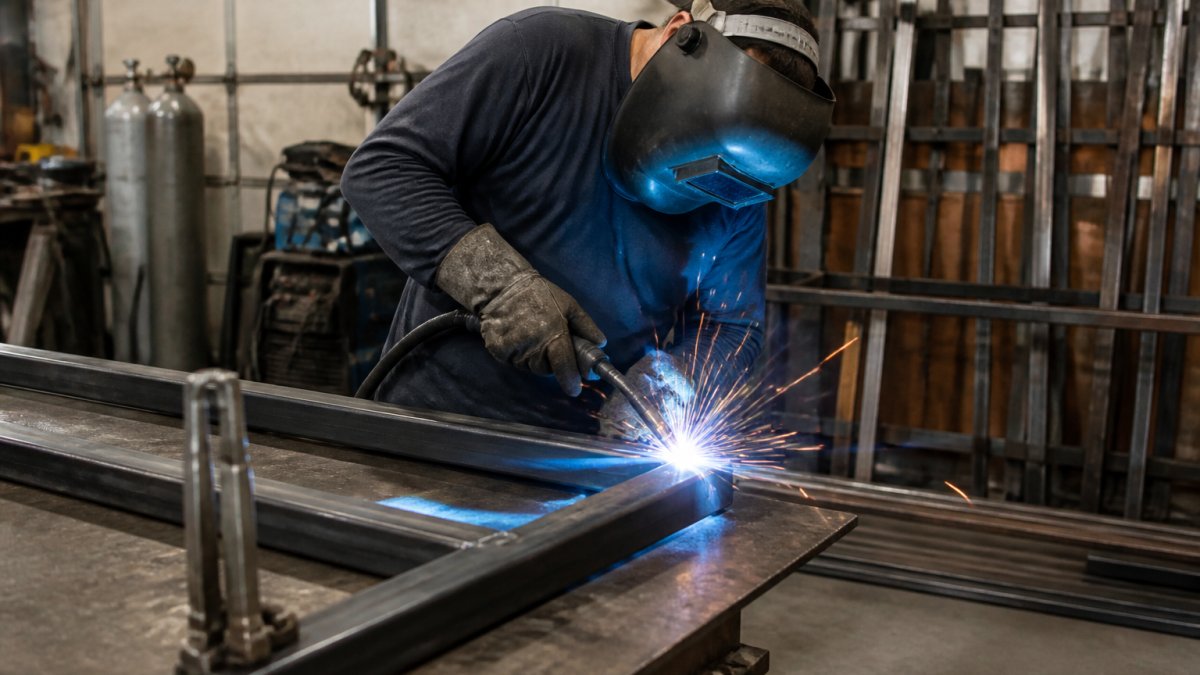
Ask about their quality control process. Do they inspect welds visually? Do they use testing equipment? What certifications do their welders hold? Quality isn't just about how it looks.
Ask about lead times and scheduling. Get a clear timeline in writing. Ask what happens if priorities shift. Ask whether they build in buffer time for rework if issues come up during inspection. This conversation prevents surprises later.
Ask how they handle changes and rework. Projects change. Materials get delayed. Specifications shift. How does the fabricator handle scope changes? What's their process if something needs to be redone? Clear policies here protect both sides.
How to Evaluate a Welding Contractor's Qualifications
Qualifications matter because they determine whether the work will actually hold up. A welder's skill and training directly affect the strength and durability of what gets built.
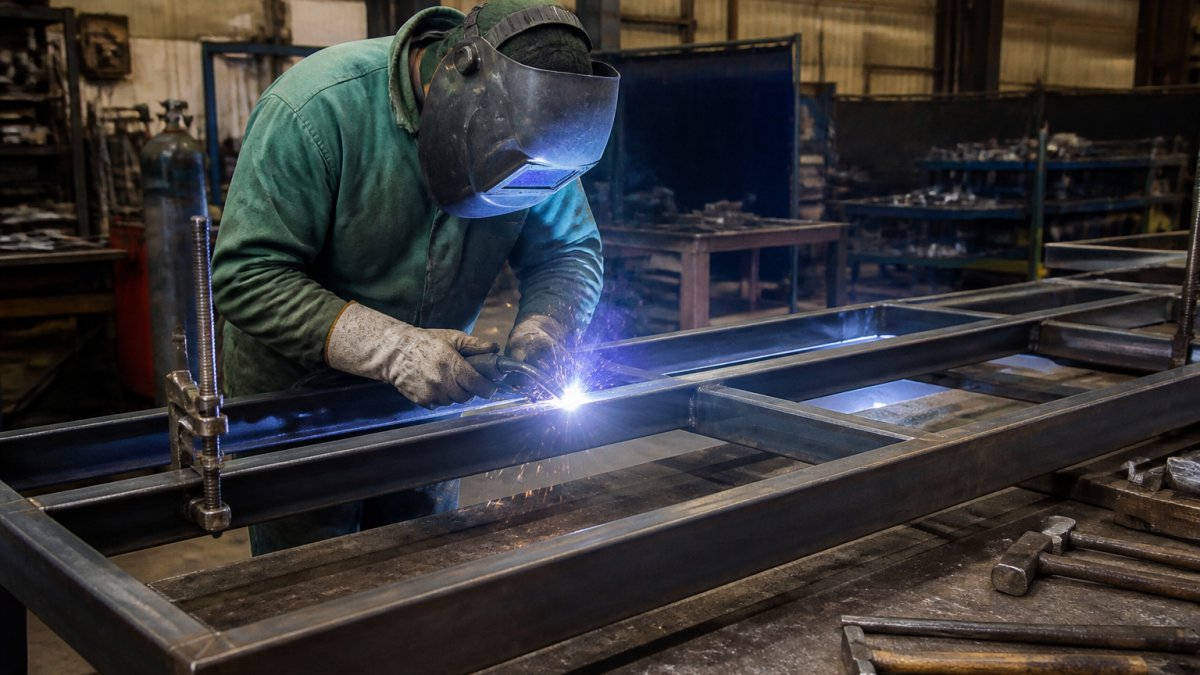
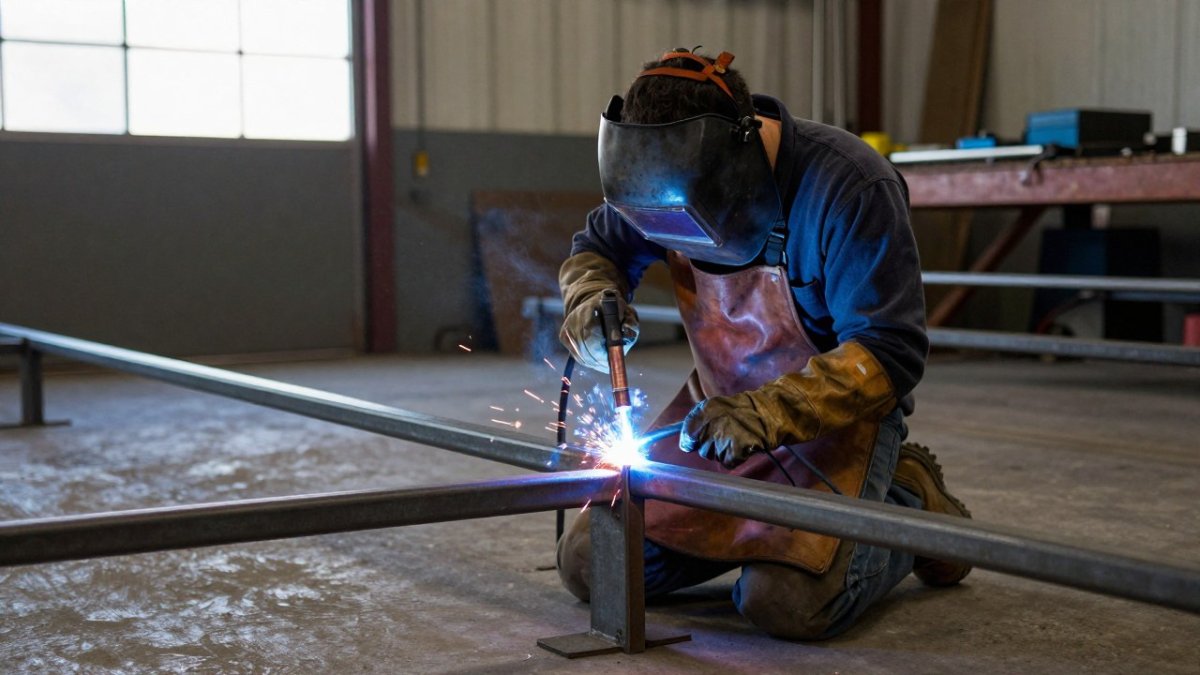
Check for welding certifications. Ask whether the welder or shop holds AWS (American Welding Society) certifications. These certifications mean the welder has been tested and qualified to weld specific materials and joint types.
Ask about the welders on their team. Don't just ask about the shop owner. Ask about the actual welders who will work on your project. How long have they been welding?
Request examples of past work. Ask for photos or site visits to previous projects. Look at the weld quality. Are the beads consistent? Do the joints look clean and properly finished?
Verify they follow safety standards. Ask how they ensure safety on job sites. Do they follow OSHA guidelines? Do they require safety equipment? Do they have insurance and bonding?
Ask about testing and inspection. For structural work, ask whether they use non-destructive testing (like ultrasonic or radiographic inspection) to verify weld quality.
Metal Fabrication Quote Checklist: What to Request and Compare
Getting quotes is essential, but most people don't ask for enough detail. A good quote tells you exactly what you're paying for and what to expect.
Request a detailed scope of work. The quote should describe exactly what's being made or repaired. Materials, dimensions, finish type, and delivery method should all be spelled out. Vague scopes lead to disputes later.
Ask for a breakdown of costs. Material costs, labor, equipment, finishing, and delivery should be separate line items.
Specify materials in writing. Don't just say "steel." Specify the grade, thickness, and type. For example: "1/4-inch structural steel (ASTM A36)" or "schedule 40 pipe." Material specs prevent the fabricator from substituting cheaper alternatives.
Ask about the timeline. When does work start? When is it finished? What's included in that timeline? If the project depends on other trades finishing first, make sure the fabricator understands the sequence.
Clarify what's included in the price. Does the quote include delivery? Installation help? Touch-up paint? Inspection? Rework if issues come up? These details change the true cost.
Ask about payment terms. Do they want a deposit? How much? When is the balance due? Is it due on completion or delivery? Get this in writing before you sign anything.
| What to Request | Why It Matters | What to Look For |
|---|---|---|
| Detailed scope | Prevents scope creep and disputes | Specific dimensions, materials, finishes |
| Cost breakdown | Shows where money goes | Transparent line items, no hidden fees |
| Material specs | Ensures quality and durability | Grade, thickness, type clearly stated |
| Timeline | Protects your project schedule | Start date, completion date, milestones |
| Included services | Avoids surprise costs | Delivery, installation, rework policy |
| Payment terms | Protects both parties | Deposit amount, balance due date |
Small Metal Fabrication Project Examples and Scope Assessment
Understanding what counts as a "small project" helps you communicate clearly with fabricators and set realistic expectations.
Custom steel railings for commercial storefronts. These projects typically involve measuring, designing, fabricating, and installing railings. Work might include welding posts to existing structures, adding intermediate rails, and finishing with paint or powder coat.
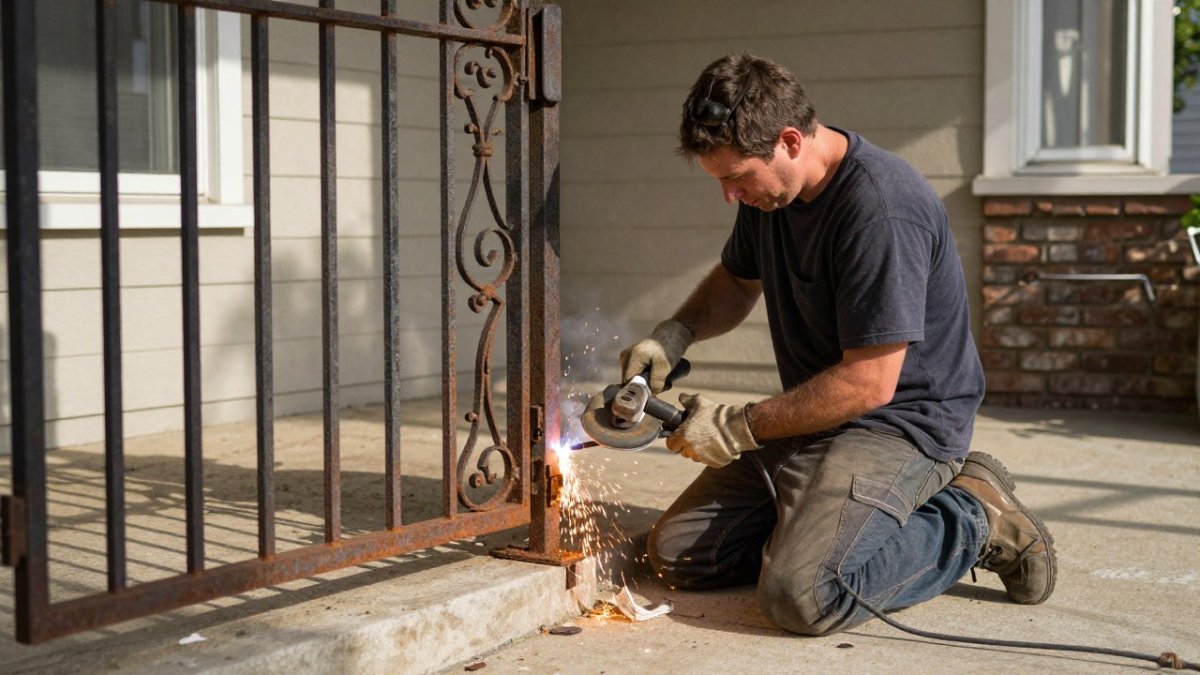
Iron gate repairs and custom gates. Gate work ranges from fixing a broken hinge to fabricating an entire custom gate from scratch. Assessment depends on whether you're repairing existing work or creating something new.
Structural steel repairs for commercial buildings. This might include reinforcing a beam, repairing damage from impact or weathering, or replacing rusted sections. These projects require assessment of load requirements and material specifications.
Light structural steel erection for additions or new construction. If you're adding a deck, mezzanine, or small structure, the fabricator needs to understand the design loads and connection requirements. This work often requires coordination with other trades and inspection by building officials.
Machinery component fabrication. Manufacturing facilities often need custom parts for equipment repair or modification. These projects require understanding the exact specifications and sometimes reverse-engineering from existing parts.
When you describe your project to a fabricator, include:
- What you're building or repairing
- The materials involved
- The dimensions or scope
- The end use (decorative, structural, machinery)
- Your timeline
- Any existing conditions or constraints
This information helps the fabricator scope the work accurately and quote fairly.
Red Flags and How to Protect Your Small Fabrication Project
Not every fabricator is a good fit. Some red flags should make you hesitate before hiring.
The fabricator won't give you a timeline. If they can't or won't commit to a schedule, move on.
They won't put the quote or scope in writing. Everything should be documented. Verbal agreements lead to misunderstandings. If they're unwilling to write things down, that's a problem.
The price seems too good to be true. If a quote is significantly lower than others, ask why. Are they using cheaper materials? Cutting corners on quality?
They don't have references or won't provide them. A reputable fabricator will give you names of past customers you can contact. If they won't or can't, that's suspicious.
They're evasive about certifications or qualifications. If they get defensive when you ask about welding certifications, testing, or safety protocols, that's a warning.
They don't ask detailed questions about your project. A good fabricator will probe to understand your needs, constraints, and goals.
No insurance or bonding. Ask whether they carry liability insurance and whether they're bonded. This protects you if something goes wrong.
Payment demands upfront in full. Most fabricators ask for a deposit (typically 25-50%) with the balance due on completion.
To protect your project:
- Get everything in writing
- Make payment contingent on meeting milestones
- Request inspection rights during the work
- Build in a timeline buffer for rework
- Verify insurance before work begins
Next Steps: Getting Your Project Started
You're ready to move forward once you've found a reliable metal fabricator. Here's how to proceed.
Prepare your project details. Write down what you need: dimensions, materials, purpose, timeline, and budget range. The more specific you are, the better the quotes you'll get.
Request quotes from at least two fabricators. Compare not just price but scope, timeline, and included services. The cheapest option isn't always the best value.
Ask for references and follow up. Call past customers. Ask whether the fabricator delivered on time, met quality standards, and handled issues professionally. This conversation is worth the time.
Review the quote carefully before signing. Make sure the scope matches what you discussed. Verify materials, timeline, payment terms, and what happens if changes come up.
Establish clear communication. Confirm how you'll stay in touch during the project. Who's your point of contact? How often will you get updates? What's the process if issues come up?
Patriot Iron Work brings professional craftsmanship and reliability to every project. We handle custom fabrication, welding, and structural steel work with a focus on quality and safety. Whether you need mobile welding at your facility or shop-based fabrication, we deliver results that stand up to the demands of your project.
Finding reliable metal fabricators for small projects doesn't have to be complicated. When you work with a fabricator who communicates clearly, delivers on schedule, and stands behind their work, your project succeeds. American Welding Society certification standards verify welder qualifications across the industry. OSHA guidelines for welding safety establish standards for on-site work. ASTM material specifications for structural steel define the grades and types you should specify in your quotes.
Frequently Asked Questions
Can a metal fabricator handle one-off custom projects or do they only take large orders?
Many reliable metal fabricators accept one-off custom projects, though some have minimum order requirements. When vetting fabricators, ask directly about their experience with small jobs and whether they have capacity for your timeline. Fabricators who regularly handle custom metalwork for railings, gates, and repairs often welcome smaller projects that fit their schedule. Be clear about your project scope upfront so they can give you an honest answer about feasibility.
What certifications should I look for when evaluating a welding contractor?
Look for welders certified by the American Welding Society (AWS) and contractors holding appropriate licenses for your state. Request documentation of any certifications and ask about ongoing training programs. For structural steel work, verify that the contractor has experience with projects similar to yours and can provide references from past clients in your industry.
How do I compare quotes from different metal fabricators?
Request quotes in writing that break down material costs, labor, timeline, and any finishing work separately. Ensure all quotes are based on the same specifications and drawings. Don't automatically choose the lowest price; compare what's included in each quote and ask about quality standards, warranty, and rework policies. A slightly higher quote from a fabricator with strong references and clear communication often saves money and headaches later.
What information should I provide when requesting a metal fabrication quote?
Provide detailed drawings or sketches showing dimensions, material type, finish requirements, and load-bearing specifications if applicable. Include your timeline, budget range if available, and the intended use of the finished product. Describe any environmental conditions or special requirements such as weather exposure or safety certifications needed. The more complete your information, the more accurate and competitive the quote will be.