 blog
Metal Fabrication for Government Contractors: What to Know
Last Updated: November 14, 2026
Quick Summary
Government contracts for metal fabrication are won by shops that can prove they can deliver, document, and comply. Prime contractors look for registered, qualified subcontractors with clear quality records. Small shops are not locked out of federal demand, but they must document their capabilities on paper.
- Keep your SAM.gov registration active, since a lapsed registration can disqualify you from a subcontract.
- Confirm your NAICS code matches the work you want, because agencies use it to set aside small-business contracts.
- Read each solicitation's inspection and traceability requirements before quoting, since they change your cost and risk.
- Keep welder qualification records, procedure qualification records, and mill test reports ready before a bid request arrives.
- Request a written quote that spells out scope, so bids can be compared on equal terms.
Table of Contents
- Why Government Contractors Rely on Outside Metal Fabrication
- Services Government Projects Commonly Require
- How to Get Fabrication Contracts as a Subcontractor
- Steel Fabrication Bids: What Buyers Compare
- Certifications, Documentation and Quality Records to Have Ready
- Production Welding Contracts and Government Contracts for Metal Fabrication
- Requesting Your Fabrication Quote from Patriot Iron Work
- Frequently Asked Questions
Government contracts for metal fabrication are won by shops that can prove they can deliver, document, and comply. For many prime contractors, that means buying fabricated steel, welded assemblies, and sheet metal components from outside suppliers. Patriot Iron Work works with businesses across Silver Spring, Montgomery County, and the DMV, and this guide explains what buyers look for when they source metal fabrication services for government work.
Federal fabrication work is a real opportunity for small firms. Small shops are not locked out of federal demand. They do have to be ready to show their capabilities on paper.
Why Government Contractors Rely on Outside Metal Fabrication
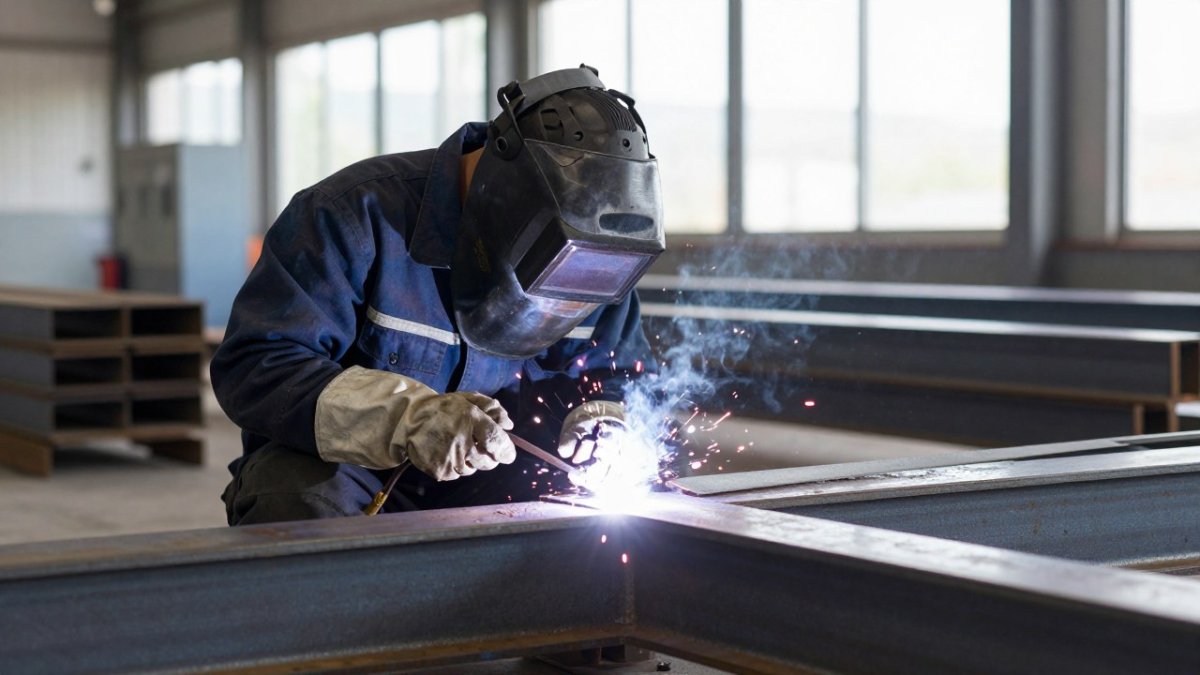
Prime contractors rarely do every step of a job in-house. Cutting, forming, welding, and assembly are often handled by specialized shops that already have the equipment and certified welders in place. Outsourcing lets a contractor bid on a wider range of work without buying machinery for every process.
Market growth is pushing in the same direction. More demand usually means more competition for qualified subcontractors, so prime contractors pay close attention to who they bring on.
Services Government Projects Commonly Require
Government metal work spans several production processes. Most projects need more than one, and the mix depends on the end product.
Welding and Structural Fabrication
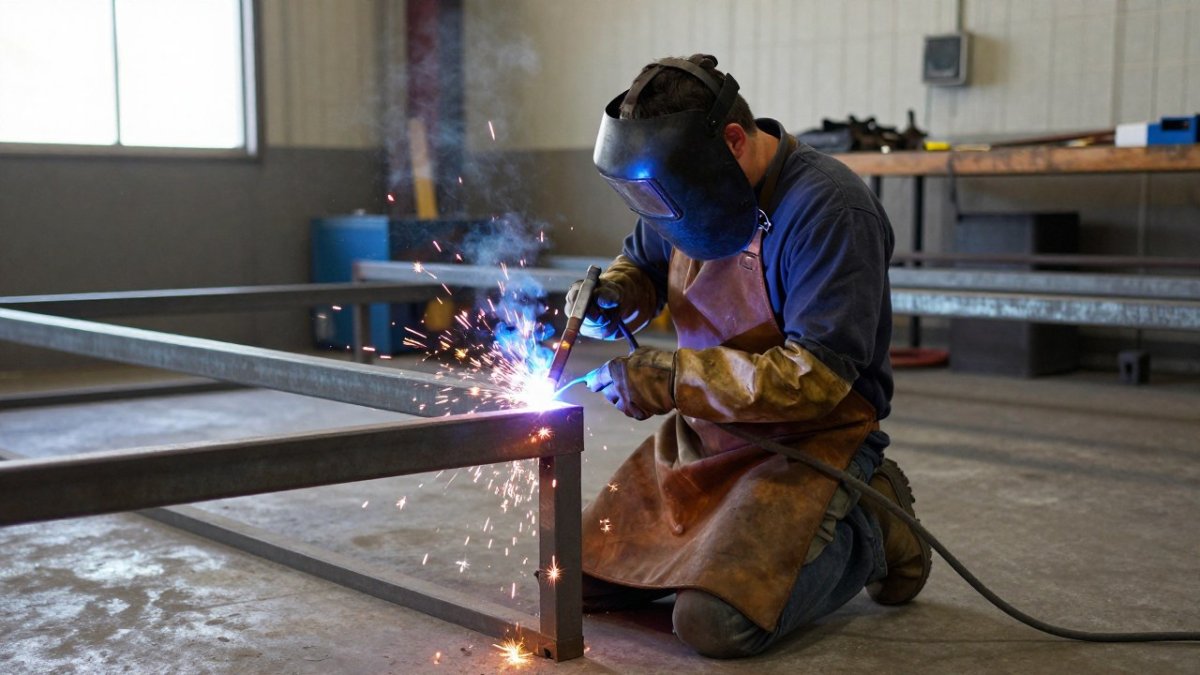
Structural welding is the backbone of many government jobs, from frames and brackets to load-bearing assemblies. Buyers want welders who work to a specified procedure and can produce documentation for each weld.
Mobile welding is worth asking about too. Some repairs and installations must happen on site, where moving the part to a shop is impractical. Confirm whether your provider can work in the field and under what conditions.
Sheet Metal, Laser Cutting and Assembly
Sheet metal work, laser cutting, and CNC punching produce the precise parts that feed larger assemblies. Tight tolerances matter here, because a part that is slightly off can stop an entire assembly line. Ask providers how they check dimensions and what inspection records they keep.
Turnkey assembly, where one shop cuts, forms, welds, and finishes a complete unit, can simplify a project. It also concentrates responsibility in one vendor, which many buyers prefer.
How to Get Fabrication Contracts as a Subcontractor
Getting onto a prime contractor's bid list starts well before a solicitation goes out. Prime contractors want subcontractors they can trust with schedule and quality, so a clean record matters as much as price. But the mechanics of federal subcontracting have specific steps that many small shops overlook.
Register in SAM.gov and keep it active. The System for Award Management is the official database prime contractors and agencies use to verify that a business is eligible to receive federal work (About This Site). A lapsed SAM registration can disqualify you from a subcontract, so check that your registration is current.
Know your NAICS codes. The North American Industry Classification System code tells primes and agencies what kind of work you perform (Economic Census: NAICS Codes & Understanding Industry Classification Systems). Confirm your primary code matches the work you actually want, because agencies use these codes to set aside contracts for small businesses.
Understand set-aside eligibility. Many federal fabrication contracts are set aside for small businesses, service-disabled veteran-owned small businesses, women-owned small businesses, or businesses in HUBZones (Guidance for federal contracting officials -Small Business Administration). If you qualify, say so in your capability statement and on your SAM profile. Prime contractors actively search for eligible subcontractors to meet their own small-business subcontracting goals.
Review solicitations carefully. When a prime sends you a request for quote, read the statement of work, the delivery schedule, and the inspection requirements before you respond. A common pattern is for shops to quote quickly without confirming whether the solicitation requires material traceability, first-article inspection, or specific welding procedures. Those details change your cost and your risk.
Build a one-page capability statement. List your processes, equipment, materials, certifications, NAICS codes, UEID, and past projects. Keep it current and specific. A general contractor vetting subcontractors will look for exactly these details, and a clear statement makes you easier to shortlist.
Respond fast and document everything. Prime contractors often work under tight deadlines and need quotes back within days. A reliable local shop that answers the phone, meets deadlines, and provides clean paperwork earns repeat work.
Watch out: A capability statement that lists processes you cannot actually document, such as certified welding you cannot back with procedure qualification records, will fail a prime contractor's vetting and damage your reputation for future bids.
For subcontracting work, it helps to have a clear way to request quotes and compare scope. A structured page on how to hire reliable commercial welding contractors can help you think through what to ask for, including scope guidance and inspection steps.
Steel Fabrication Bids: What Buyers Compare
Price is only one factor in a bid comparison. Buyers typically weigh several things together:
- Quoted scope. Does the bid cover material, fabrication, finishing, and delivery, or only part of the work?
- Lead time. Can the shop meet the schedule, including any rework allowance?
- Quality records. Are inspection and material documents available for every batch?
- Capacity. Does the shop have the equipment and staff to take the job without delays on other work?
- Communication. Who is the single point of contact, and how fast are questions answered?
Pricing depends on quantity, material, dates, and delivery requirements, so we do not quote fixed figures in general articles. Request a written quote with each item spelled out, so you can compare bids on equal terms. Patriot Iron Work can provide a detailed quote for your specific project, and you can start by requesting a quote for your fabrication project.
The table below summarises the bid factors buyers weigh, as covered in this section.
| Factor | What buyers check | Why it matters |
|---|---|---|
| Quoted scope | Material, fabrication, finishing, delivery | Shows whether bids cover the full job |
| Lead time | Schedule, including rework allowance | Confirms the shop can meet deadlines |
| Quality records | Inspection and material documents per batch | Proves the work meets requirements |
| Capacity | Equipment and staff available | Avoids delays from other work |
| Communication | Single contact and response speed | Keeps questions resolved quickly |
Certifications, Documentation and Quality Records to Have Ready
Government buyers expect paperwork. Having it ready before a bid request arrives speeds up the process and signals that your shop is organized. But not all documentation carries the same weight, and buyers learn to tell verified credentials from general compliance claims.
Welder qualification records. Keep current welder qualification test records and welding procedure specifications with supporting procedure qualification records, as your contract requires. A buyer who sees a WPS without a matching PQR knows the procedure was never actually tested.
Material certifications and traceability. Mill test reports (MTRs) tie the steel or aluminum you use back to the heat number and the mill that produced it. Government projects often require traceability from the finished part back to the MTR.
Inspection procedures and reports. Document how you check dimensions, welds, and finishes, and keep sample inspection reports. Where specified, nondestructive testing may also be required.
Quality system documentation. ISO 9001 certification is a recognized quality management standard, but many small fabrication shops operate without it. If you are not certified, be ready to describe your internal quality process in writing, how you control drawings, track revisions, and handle nonconforming parts. Do not claim ISO certification unless you hold a current certificate from an accredited registrar.
Insurance and business registration. Provide certificates of insurance, your business license, and your SAM.gov registration confirmation. Prime contractors typically require general liability and workers' compensation coverage before issuing a subcontract.
Past performance examples. Include project scope, outcome, and any measurable results you can share without disclosing controlled information. Anonymized examples are acceptable when the original project is sensitive.
Check the specific requirements in each solicitation, because standards and documentation rules vary by project. The Procura Federal guide to government welding contracts is a useful starting point for understanding what job shops are typically asked to provide. For a broader view on whether certified work is worth the added cost, see our guide on hiring a certified steel erector.
Production Welding Contracts and Government Contracts for Metal Fabrication
Production welding contracts cover repeat work, such as a steady run of brackets or assemblies over several months. These contracts reward shops that can hold quality and consistency across a long run, not just complete a single job well.
Government contracts for metal fabrication often come through prime contractors, but some are awarded directly. Either way, the same qualities matter: documented processes, dependable delivery, and clear communication. Shops that can show a track record on repeat orders are usually the ones prime contractors call back.
Procurement rules and contract terms differ between agencies and projects. Read the solicitation closely and confirm details with the contracting officer or prime contractor before committing to a schedule.
Requesting Your Fabrication Quote from Patriot Iron Work
Patriot Iron Work handles custom fabrication, welding, mobile welding, steel repairs, steel railings, iron gates, and light structural steel erection for clients in Silver Spring, Montgomery County, and the DMV. We focus on professional craftsmanship and safety.
When you request a quote, send your drawings or a clear description of the part, the material, the quantity, and your schedule. You can request a written quote to compare against other bids. Get a free quote from Patriot Iron Work to discuss your next fabrication project.
Frequently Asked Questions
What should a government contractor look for in a metal fabrication partner?
Look for documented weld procedures, inspection records, material traceability and a clear quality process before you send drawings. Ask for examples of similar projects, confirm the shop can meet your delivery dates, and verify that the provider can supply the documentation your contract requires. A partner who can explain how they handle nonconforming work and rework will also reduce risk on your schedule.
How much does metal fabrication cost for a government project?
Pricing depends on material, quantity, tolerances, finish requirements, delivery dates and on-site or shop work. Because every project differs, request a written quote based on your drawings and specifications. You can get current pricing and a project quote directly from Patriot Iron Work.
How can a metal fabricator prepare to bid on government contracts?
Start by registering in the System for Award Management (SAM.gov) and reviewing open solicitations for work that matches your capabilities. Keep current capability statements, equipment lists, quality procedures and past performance examples ready. Read each request for proposal carefully, and ask questions about drawings or specifications before the bid deadline.